How to Price Building Work Without Guessing by the Square Metre
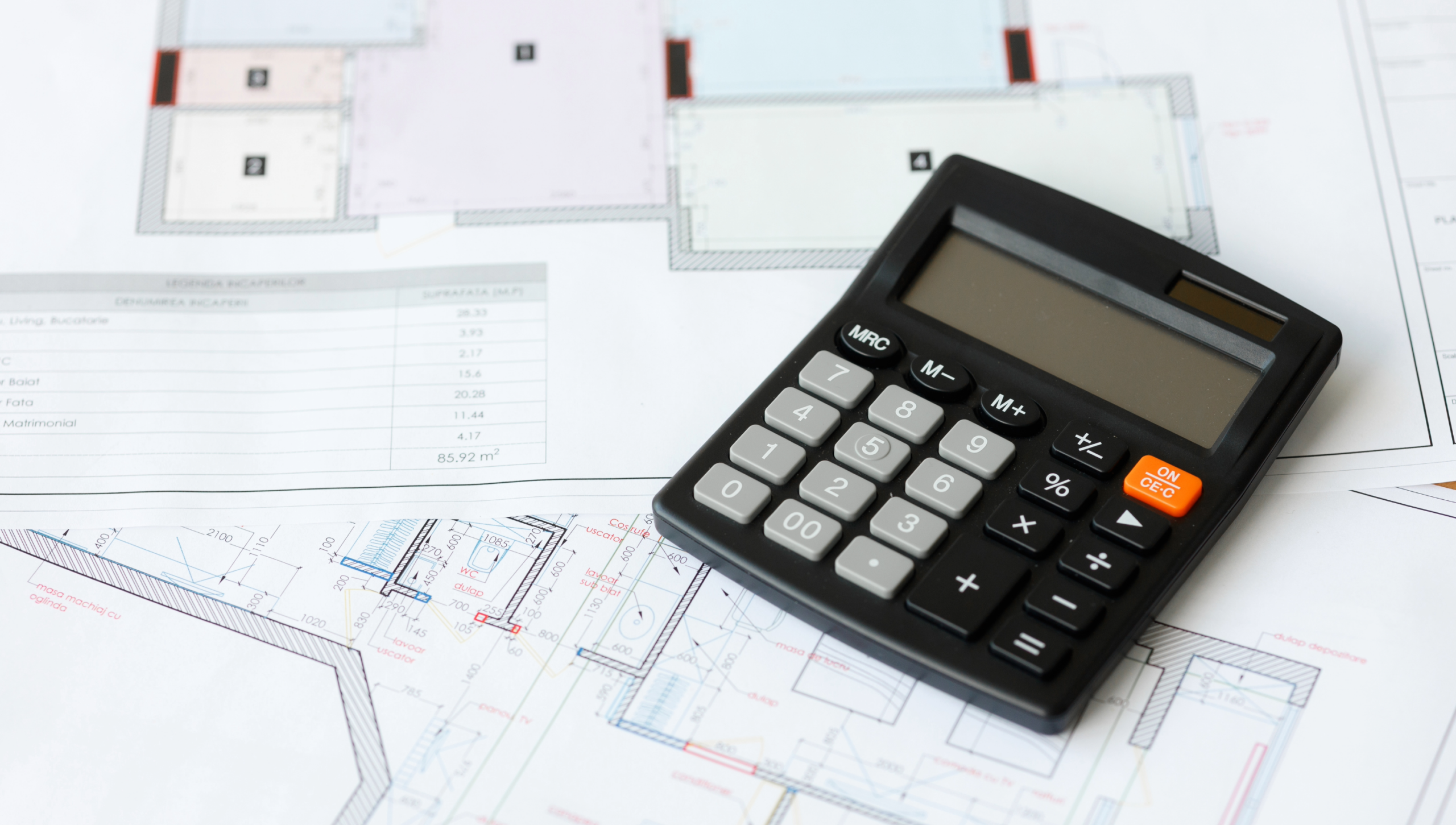
Most builders learn how to price building work the hard way, by getting a job wrong and carrying the cost. The quickest method, and the one that catches people out, is pricing by the square metre. You take the floor area, multiply it by a rate from an earlier job, and you have a figure in a couple of minutes.
The catch is that the rate came off a different job. This one might sit on a sloping plot, or run to a much higher spec, and a flat rate per square metre treats it as if none of that mattered. When the real cost comes in above the average, you absorb the difference. Pricing building work so the figure holds up means starting from the job in front of you rather than an average, and using prices that are current.
Why pricing by the square metre costs you money
Pricing by the square metre is quick, and that is why it sticks around. You get a number without measuring anything, which feels efficient when the quote is the last job of a long day.
The cost shows up later. Take two extensions of the same size. One is a simple build on a level plot. The next needs a steel over a knocked-through wall, and the client has gone top of the range on the kitchen. A square metre rate prices both the same, so on the harder job you have underpriced the work before you have picked up a tool. If the rate came from last year, the gap is wider again, because material costs have moved a long way since.
What a measured estimate does that a rate can’t
A measured estimate works the other way round. You start from the drawings and take off the real quantities, then price those against current material and labour rates. It takes longer than reading a number off the floor area, but what you get back is a price you can explain if the client pushes on it.
Current rates are where a square metre figure goes most wrong. Building material prices rose 6.0% in the year to June 2026, and the rises are uneven: fabricated structural steel is up 17.7% while cement has come down. A rate you set last spring was built on none of that, so pricing this year’s work on it leaves you short.
The other thing worth remembering is what a quote is. Once a client accepts your figure, it becomes a fixed price you have agreed to, and you cannot put it up later just because your own costs came in higher. This is why measuring matters when you are working out how to price a job in construction. You are setting a price you will be held to, so it has to come from figures you have worked out.
How to price building work you can trust
The method is the same on every job, which is what makes it fast once it is second nature. Break the job down the way you would build it, then measure each part off the plans. Price the materials, labour and plant at today’s rates. Add your margin, and a bit of contingency for what the drawings never show. Then set it out clearly for the client. After a few jobs you can price a building job like this in an evening, with your margin in view before you commit.
Getting this right matters, because the cost of getting it wrong is not small. Construction had more company insolvencies than any other UK industry in the year to July 2026, with 3,841 firms going under in England and Wales. Thin margins and underpricing sit behind many of them. Pricing your jobs properly will not save a business on its own, but it takes one common reason off the table.
Some jobs are worth handing over rather than squeezing into an evening. On a big or unfamiliar build, the risk sits in the take-off more than the write-up, and that is a good reason to bring in a done-for-you estimating service. Send us the plans and our ex-trade estimators price the whole job at live Jewson and JP Corry rates, set against your own trade account. A full estimate comes back inside about five working days, with a quote the same day if you send it before midday, or within 24 hours otherwise, weekends aside. You get two documents from it: a Builder Copy that keeps your margin in view, and a Client Copy clean enough to help win the work. Think of it as an estimator on your team, without the payroll. Once you have won the project, Jewson and JP Corry can support you with quoting for the materials.
Where this leaves you
A square metre rate is fine for a rough idea on the phone. Treat it as a ballpark and nothing more, and it will not catch you out.
If there is one habit worth building, it is measuring the work before you price it, on rates that are current rather than half-remembered. That is most of how to price building work in a way that keeps your margin where it belongs.
When a job is too big to trust to a rate in your head, upload your project and get a quote, and we will price it for you. If you want the thinking behind the numbers, our guide on how to price a construction job goes into it, and if you would rather build your own, there is our building quote template.
Related Posts

How Many Jobs Are You Actually Winning? The Quote-to-Win Ratio
Most builders can tell you how busy they are. Far fewer can tell you how many of the quotes they send actually turn into paid work. That figure, your quote-to-win ratio, or quote conversion rate, is one of the most useful numbers a sole trader can track. Work out how many quotes it takes you […]

In-House Estimator vs Outsourced Estimating: The Real Cost Comparison
There comes a point in a growing firm when estimating stops fitting into the evenings. The work is there, but pricing it properly takes hours the owner no longer has. That is usually when the question comes up: do you hire an in-house estimator, or outsource the estimating per project? Either way the decision turns […]

How to Win More Building Work Without Dropping Your Price
When work goes quiet, the first thing most builders reach for is their price. Take a few hundred off, undercut whoever else is quoting, and it feels like you have done something to win the job. Sometimes that works. More often it wins the wrong jobs at the wrong money, and it teaches customers to […]